.svg)
Why Dogs Need Rest After Eating
A Critical Habit Every Dog Parent Should Know
As dog parents, we spend plenty of time thinking about what our dogs eat—choosing quality food, healthy treats, and the right portion sizes. But there’s another piece of the puzzle that’s just as important: what your dog does after they eat.
Allowing your dog to relax and digest after meals is essential for their health and comfort. Skipping this step can put unnecessary strain on their digestive system—and in some cases, increase the risk of a serious condition known as bloat.
Every dog parent should understand why post-meal rest matters.
Digestion Works Best When Dogs Are Calm
After your dog finishes eating, their body immediately goes to work breaking down food. Blood flow increases to the stomach and intestines so nutrients can be absorbed properly. This process is designed to happen when the body is relaxed.
If a dog starts running, jumping, playing fetch, or roughhousing right after a meal, digestion gets disrupted. The stomach is still full and heavy, and sudden movement can lead to nausea, discomfort, vomiting, or worse.
Just like humans don’t feel great doing intense exercise right after a big dinner, dogs need time to settle too.
Understanding Bloat (and Why Rest Helps Prevent It)
The most important reason to let your dog rest after meals is to reduce the risk of bloat, medically known as Gastric Dilatation-Volvulus (GDV).
Bloat happens when a dog’s stomach fills with food, gas, or fluid and becomes overly expanded. In severe cases, the stomach can twist on itself. When that happens, blood flow is cut off and the situation becomes a life-threatening emergency.
GDV can progress very quickly and requires immediate veterinary treatment.
While large and deep-chested breeds—like Great Danes, German Shepherds, Standard Poodles, and Boxers—are at higher risk, any dog can develop bloat. That’s why post-meal rest is important for dogs of all shapes and sizes.
How Long Should Dogs Rest After Eating?
A good general guideline is to let your dog relax for at least 30–60 minutes after meals.
During that window, try to avoid:
- Running or playing
- Roughhousing with other pets
- Long walks
- Fetch or high-energy games
- Car rides that involve a lot of movement
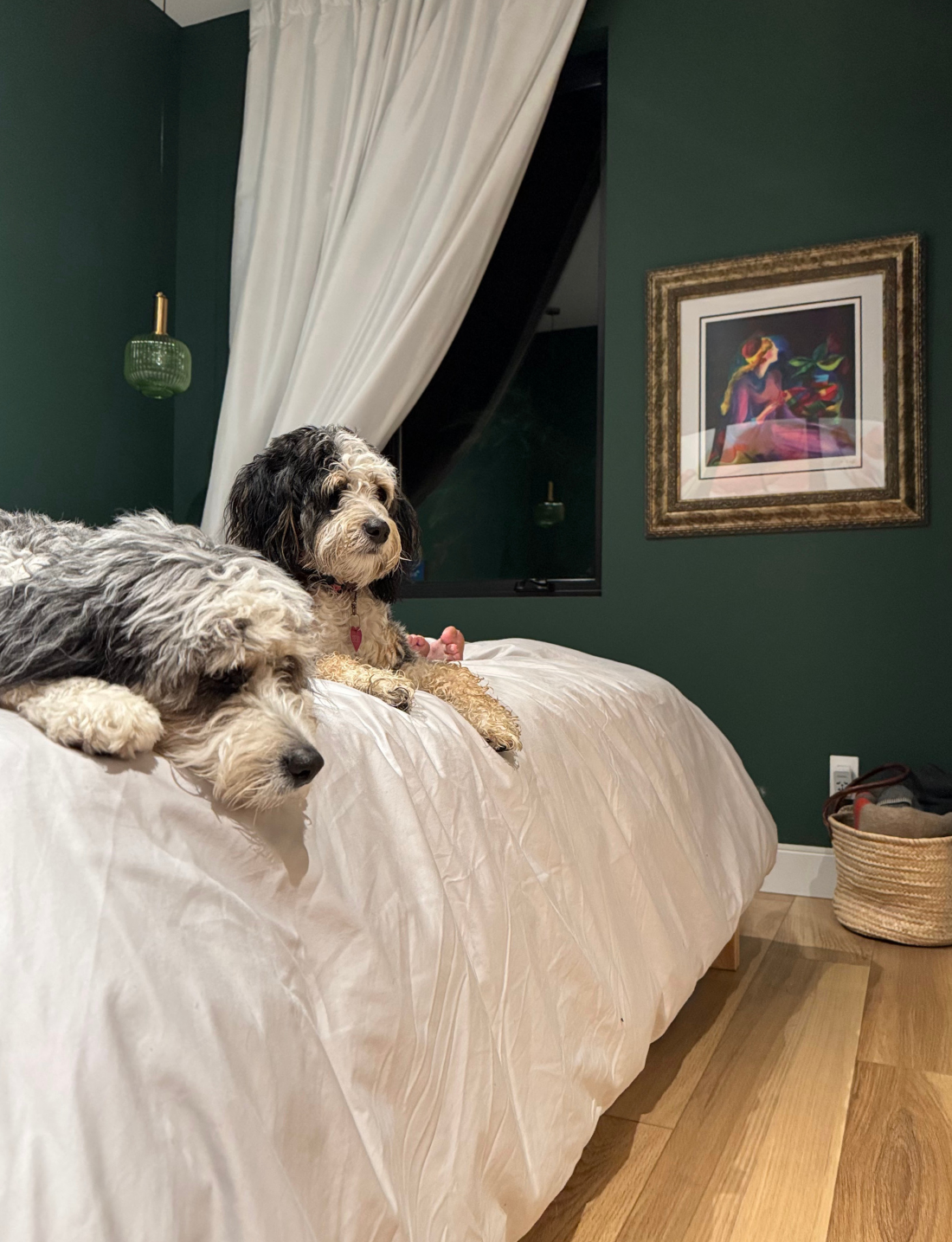
Instead, encourage calm activities like lounging on the couch, relaxing in their bed, or quiet cuddle time.
Think of it as your dog’s version of “post-dinner downtime.”
Simple Habits That Support Healthy Digestion
In addition to giving your dog time to rest, these tips can also help reduce digestive stress and the risk of bloat:
- Feed two or three smaller meals instead of one large meal
- Use a slow-feeder bowl if your dog eats too quickly
- Avoid heavy exercise immediately before meals
- Keep mealtimes calm and low-stress
- Don’t let your dog gulp large amounts of water right after eating
These small adjustments can make a big difference in your dog’s long-term health.
Rest After Meals = A Healthier, Happier Dog
It’s easy to forget that dogs need recovery time after eating—especially when they’re excited, energetic, and ready to play. But building a simple routine of post-meal relaxation is one of the easiest ways to protect their digestion and overall well-being.
So the next time your pup finishes their bowl and gives you those “let’s play!” eyes, remember:
Digestion first. Zoomies later.
Your dog will thank you for it.